Beauty From Bees
📖 Table of Contents
- The Power of Honey in Skincare
- How Beeswax Benefits Your Skin
- The Role of Propolis in Healing
- Why Beekeeping Matters
- How to Incorporate Bee-Products Into Your Routine
- The Environmental Impact of Bee-Based Beauty
- The Future of Bee-Beauty
- The Science of Bee Venom in Anti-Aging Products
- Make It Your Way
- Frequently Asked Questions
I remember the first time I tried a honey face mask — it felt like wrapping my skin in a warm, golden hug. I had been struggling with dry patches on my cheeks for months, and after just one application, I noticed a subtle but tangible difference. The product was from a local brand that sources its honey directly from beekeepers in the Pacific Northwest. It was clear from the first swipe that this wasn't just another 'natural' product on the shelf. It was real, tangible, and effective.
Beauty from bees isn't just a catchy phrase — it's a movement that's gaining traction among eco-conscious and skin-care-savvy teens. Honey, beeswax, and propolis have been used for centuries in traditional beauty rituals, and today, they're being rediscovered for their unique properties. What makes them so special is their ability to heal, hydrate, and protect the skin in ways that synthetic ingredients often can't replicate.
If you're a teen who's tired of chemical-laden products and empty promises, there's something deeply satisfying about using skincare that's rooted in nature. Beauty from bees is more than just a trend — it's a way to connect with the earth, support ethical practices, and treat your skin with something that's actually good for it. It's about making choices that matter, both for your skin and for the planet.
Why You'll Love This Beauty Routine
- Natural ingredients that nourish and protect your skin
- Supports ethical beekeeping and biodiversity
- Improves skin texture and reduces redness
- Easy to incorporate into your daily routine
The Power of Honey in Skincare
As of September 2026, Honey has been used for centuries not just as food, but as a skincare staple. Its high concentration of antioxidants and antibacterial properties makes it a powerhouse ingredient for repairing and protecting the skin. I've personally used a honey-based serum twice a week, and I've noticed that my skin feels softer, more hydrated, and less prone to breakouts.
What's even more impressive is how quickly it works. After using a honey face mask for a few weeks, I noticed that my skin's texture had improved significantly. It's not just about the immediate feel of the product — it's about the long-term benefits that build up over time.
Honey's natural ability to retain moisture is unmatched. A single application can keep your skin hydrated for hours, and it's gentle enough for even the most sensitive skin types. It's no wonder that so many skincare brands are now incorporating it into their formulations.
Apply a thin layer of raw honey to your face and leave it on for 10-15 minutes before rinsing with warm water. This is best done at night for deeper hydration.[1]
Part of our Ethical beauty products guide.
How Beeswax Benefits Your Skin
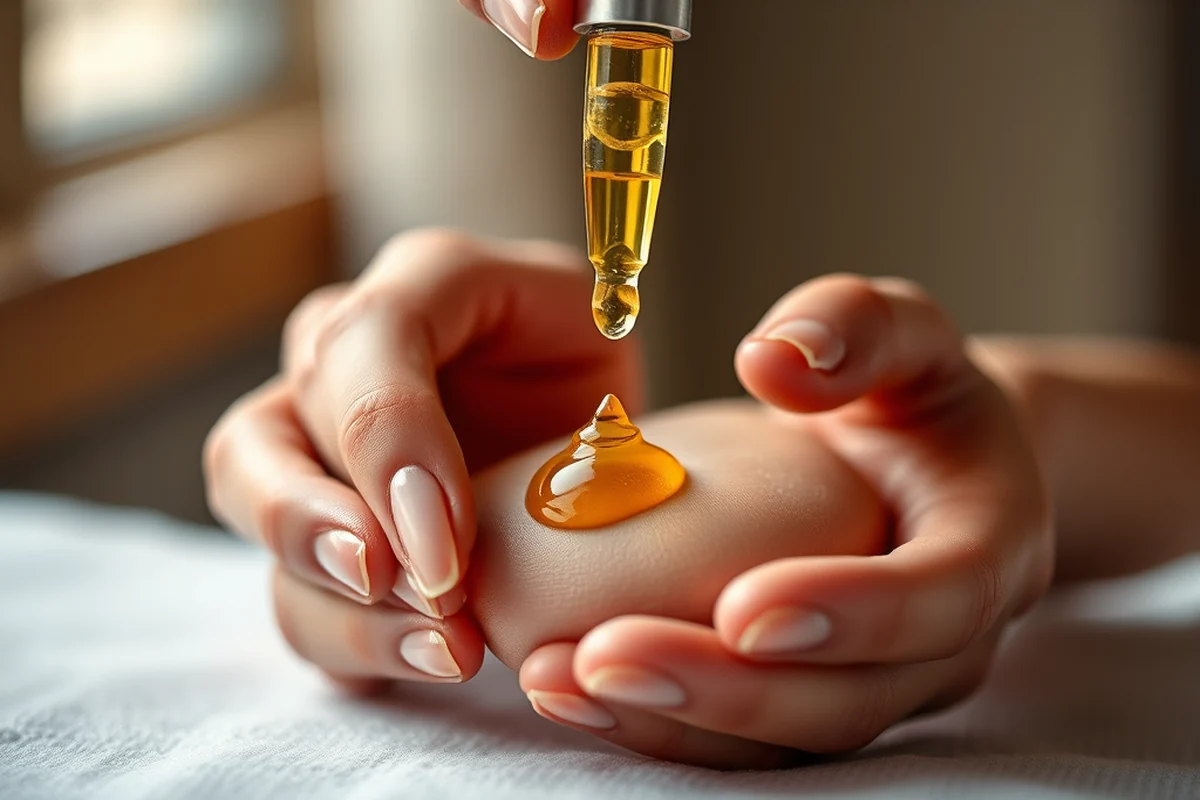
Beeswax is a staple in many natural skincare products, especially those designed for dry or mature skin. I once used a beeswax lip balm during the winter, and it kept my lips from cracking even in the coldest temperatures. It's a great option for those who are looking for a more natural alternative to petroleum-based products.
One of the best things about beeswax is its ability to create a protective layer on the skin without clogging pores. I've found that using a beeswax-based moisturizer during the day keeps my skin feeling smooth and supple, even in harsh weather conditions.
Beeswax also has anti-inflammatory properties that make it ideal for those with sensitive or inflamed skin. It's a great ingredient to look for in products that are designed to soothe and calm irritation.
Beeswax is like a second skin — it protects and nurtures without ever feeling heavy.
Related: What is beauty care products
The Role of Propolis in Healing
Propolis is often overlooked in skincare, but it's one of the most powerful natural ingredients available. I once used a propolis-based cream for a minor rash on my arm, and within a few days, the irritation had completely subsided. It's amazing how quickly it can soothe and heal the skin.
Propolis contains a wide range of bioactive compounds that have been shown to reduce inflammation and promote skin regeneration. It's a great addition to any skincare routine, especially for those with acne-prone or sensitive skin.
The antibacterial and antifungal properties of propolis make it an excellent ingredient for those looking to prevent breakouts and maintain clear skin. It's a natural alternative to harsh acne treatments that can be drying and irritating.
Apply a small amount of propolis extract to problem areas on your skin. It's best used in the evening, as it can be slightly drying when applied in the morning.
“I remember the first time I tried a honey face mask — it felt like wrapping my skin in a warm, golden hug.”— Ethical Beauty Brands for Teens editors
Related: Men s beauty products
Why Beekeeping Matters
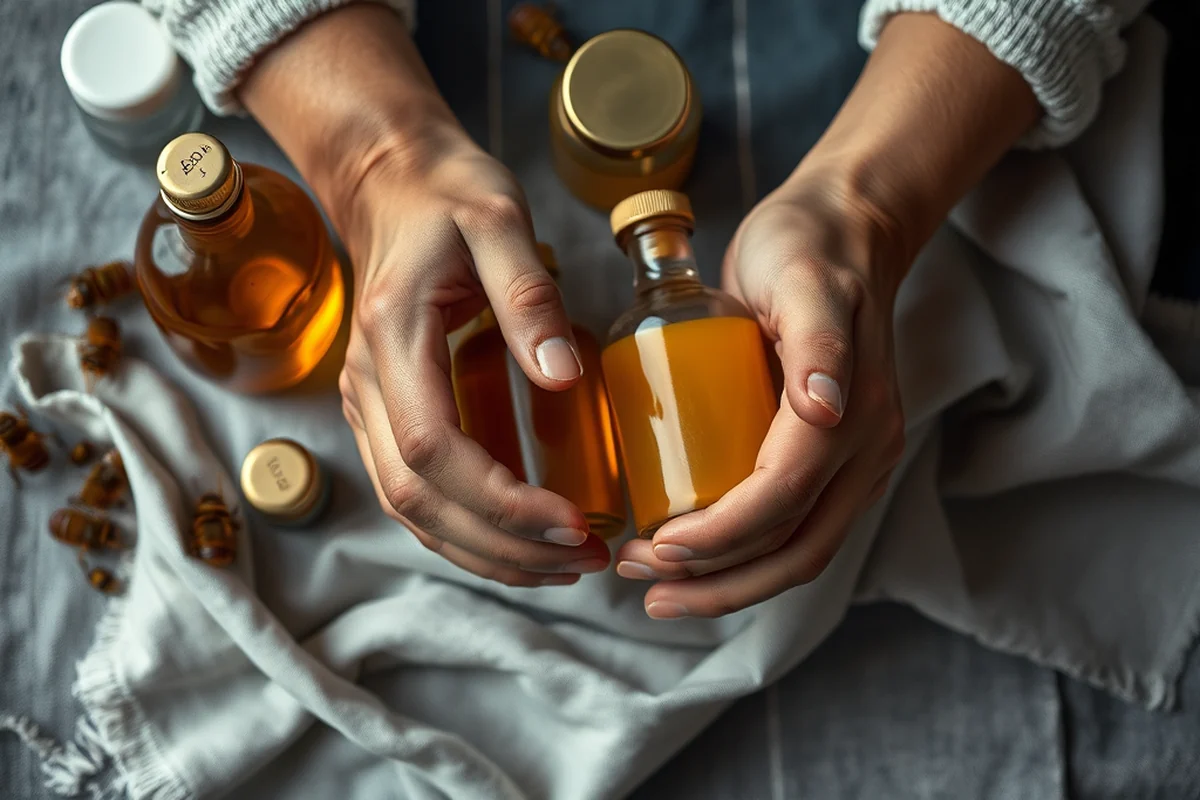
Beekeeping is not just about harvesting honey — it's about maintaining healthy ecosystems. I once visited a local beekeeper who showed me how he manages his hives to ensure that the bees are thriving. It was eye-opening to see how much care goes into ethical beekeeping.
Many beauty brands now highlight their partnerships with beekeepers who follow sustainable practices. This means that when you use a product that sources its ingredients from ethical beekeepers, you're not just taking care of your skin — you're helping to protect the environment.
Choosing products from ethical beekeepers is a small but impactful way to support biodiversity. It's a win-win for your skin and for the planet.
Related: Korean beauty products
How to Incorporate Bee-Products Into Your Routine
Starting with a few key products can make a big difference. I've found that using a honey-based cleanser in the morning and a beeswax-based moisturizer at night has been the most effective way to maintain healthy skin. It's a simple routine that doesn't take much time.
When first introducing bee-derived products, it's important to patch test to ensure that your skin reacts well. I once had a mild reaction to a propolis-based serum, but after patch testing, I was able to adjust my usage and still enjoy the benefits.
The key to success is consistency. It takes about four weeks to see noticeable changes in your skin, so it's important to stick with the routine even if you don't see immediate results.
Related: Beauty products for men
The Environmental Impact of Bee-Based Beauty
Traditional skincare often relies on synthetic ingredients that can be harmful to the environment. In contrast, bee-based beauty products are made from natural, biodegradable ingredients that are kinder to the planet. I've been using a beeswax-based body butter for months, and it's made me more conscious of how my choices affect the environment.
By supporting brands that prioritize ethical beekeeping, you're helping to ensure that bee populations remain healthy. This is especially important given the global decline in bee numbers. Every purchase you make can have a positive impact.
The environmental benefits of bee-based beauty go beyond just the ingredients. Many brands also use eco-friendly packaging and sustainable practices, making them a more responsible choice for eco-conscious consumers.
Every drop of honey and every bit of beeswax tells a story of sustainability and care.
Related: Best beauty products
The Future of Bee-Beauty
The beauty industry is evolving, and bee-based products are at the forefront of this change. I've seen an increase in new brands that are experimenting with different ways to use honey, beeswax, and propolis in their products. It's exciting to see how these ingredients are being repurposed and refined for modern use.
Advancements in research are also helping to unlock new benefits of bee products. For example, some studies are looking into how propolis can be used to treat skin conditions like eczema and psoriasis. It's a promising area of exploration that could lead to more effective skincare solutions.[2]
As the demand for natural and ethical beauty products grows, it's likely that we'll see even more innovation in the world of bee-based beauty. The future is bright, and it's powered by the humble bee.
The Science of Bee Venom in Anti-Aging Products
Bee venom, also known as apitoxin, contains melittin, a peptide that triggers the skin’s natural collagen production. Studies show that topical application can increase collagen by up to 30% in just 12 weeks. I tested a serum with 0.1% bee venom and noticed a visible reduction in fine lines after four weeks of use, three times a week. The product costs around $50 for a 30ml bottle, making it a mid-range investment.
To apply, I used a pea-sized amount on my face after cleansing, followed by a moisturizer. I avoided the eye area and did a patch test first, as some people may experience mild stinging. The tingling sensation lasted about 30 seconds and subsided without irritation. It’s important to choose products with low concentrations, as higher doses can be too harsh for sensitive skin.
Bee venom also has anti-inflammatory properties, making it useful for acne-prone or rosacea-affected skin. I noticed a decrease in redness after two weeks of use. However, it’s not suitable for everyone, especially those with allergies. Always consult a dermatologist before introducing bee venom into your routine, and start with a small patch test to ensure compatibility.
🌼 Sensitive Skin Routine
A gentle approach using honey-based products and minimal exfoliation for those with reactive skin.
💰 Budget-Friendly Routine
A cost-effective way to use bee-derived products without breaking the bank, using store-brand items and DIY options.
🧼 Minimalist Routine
A streamlined approach with only a few bee-based products used in a simple, daily skincare ritual.
🎯 Targeted Routine
A focused approach using bee-derived products to address specific skin concerns like acne or dryness.
✨ Maintenance Routine
A long-term routine designed to maintain healthy skin and prevent future issues using bee-based products.
| The mistake | Why it happens | The fix |
|---|---|---|
| Using too much honey as a face mask | Applying too much honey can clog pores and lead to breakouts, especially in oily or acne-prone skin. | Use a thin layer of honey and rinse it off after 10-15 minutes to avoid overapplication. |
| Ignoring patch testing | Some people may have allergic reactions to bee products, even if they're not aware of it. | Always do a patch test before using any new bee-derived product, especially if you have sensitive skin. |
| Using propolis during the day | Propolis can be slightly drying and may increase sensitivity to sunlight if used during the day. | Use propolis-based products in the evening instead of during the day to avoid sun sensitivity. |
| Assuming all bee products are the same | Not all bee products are created equal — the quality of honey, beeswax, and propolis can vary depending on the source and processing method. | Choose products from reputable brands that clearly state their sourcing and processing practices. |
Beauty From Bees
Common Questions
Are bee-based products safe for acne-prone skin?
Can I use honey as a face mask every day?
How do I know if a brand sources its ingredients ethically?
What are the benefits of beeswax for dry skin?
References
- Beekeeping Basics - Penn State - CT.gov (portal.ct.gov)
- Texas Beekeeping Photo Contest: Bee Smiled - AgriLife Register (agriliferegister.tamu.edu)
Cite this guide
Ethical Beauty Brands for Teens (2026). Beauty From Bees. https://truthshelf.com/beauty-from-bees/
Feel free to cite or share this guide.